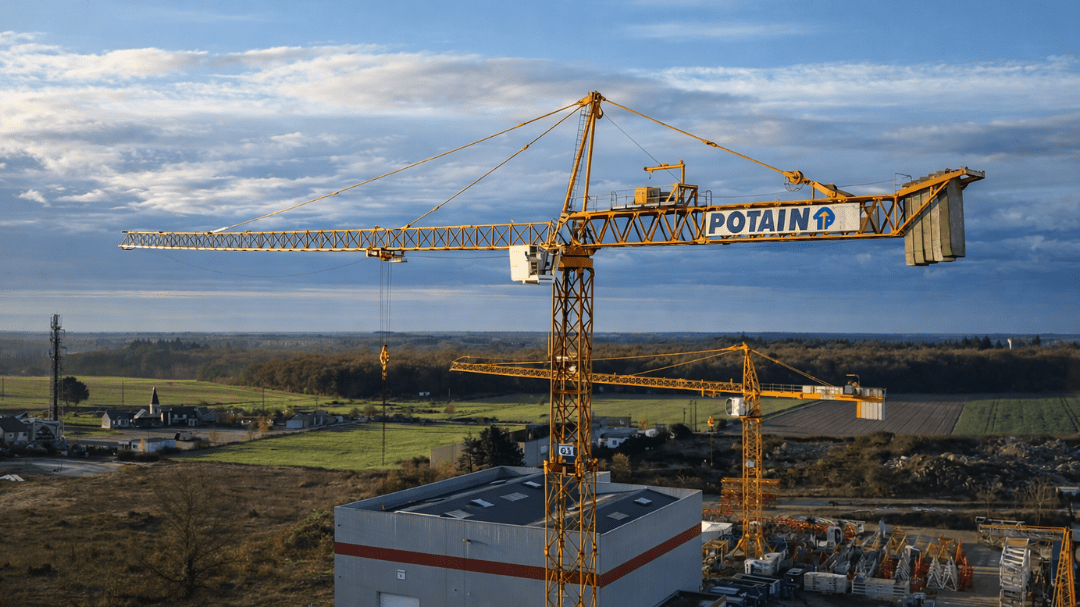
Managing equipment and assets is an essential task for companies of all sizes as soon as they start handling equipment. It involves tracking and maintaining a set of physical assets, such as machines, tools, or instruments.
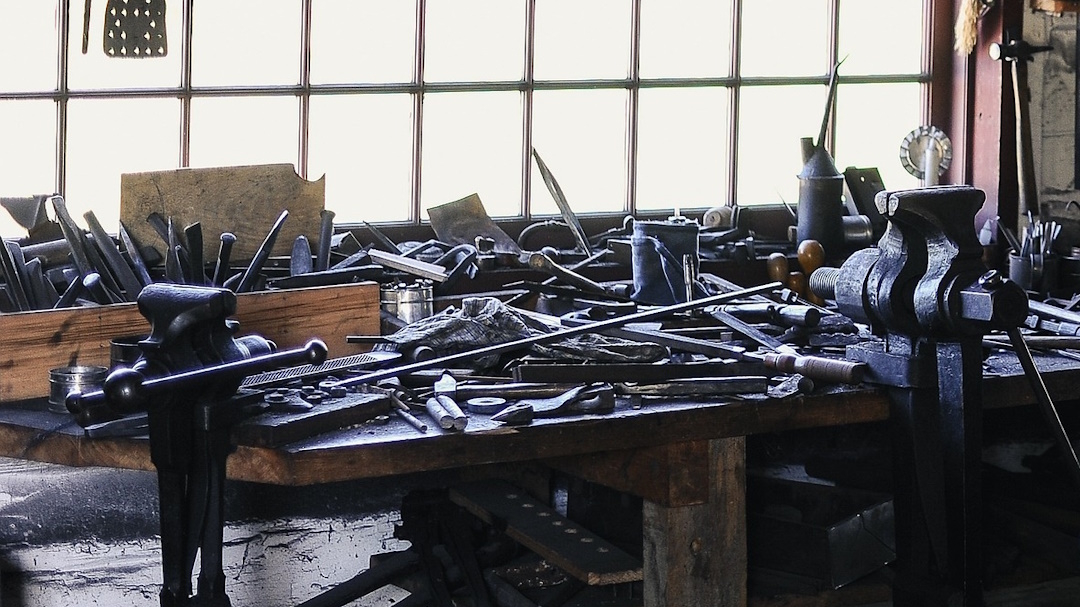
Why manage your hardware and equipment inventory?
Equipment fleet management is essential to ensuring business performance and safety. Equipment is indispensable to the smooth running of many activities, and its failure or unavailability can have serious consequences.
For example, a breakdown in a factory can lead to a halt in production, which can have a negative impact on the company's revenue. Similarly, a breakdown in a hospital can lead to delays in patient care, which can have serious consequences for their health.
Managing hardware and equipment allows companies to prevent these risks and ensure business continuity.
Effective management of hardware and equipment has many advantages and is based on four essential pillars: inventory, maintenance, allocation, and cost tracking.
The inventory
Inventory is the basis of any effective management of equipment and assets. It provides an overview of all the equipment available to the company, as well as its characteristics and location.
The inventory must be updated regularly to reflect changes in the equipment pool and reduce search times. It can be done manually or using equipment management software.
By keeping track of its equipment inventory, the company can improve equipment availability and plan preventive maintenance.
Maintenance
Maintenance is essential to ensure the availability and efficiency of equipment. It helps prevent breakdowns and malfunctions and extends the service life of equipment.
Maintenance can be preventive or corrective.
Preventive maintenance involves performing regular inspections and interventions on equipment in order to detect and correct potential problems before they occur.
Corrective maintenance involves intervening on equipment after a breakdown or malfunction has occurred.
Thanks to planned preventive maintenance, the risk of equipment injuring a user when it breaks down is reduced.
By ensuring that equipment breaks less often and ensuring user safety, companies reduce breakdowns and injuries, which reduces downtime.
The allocation
The company must ensure that equipment is assigned to the right users or teams based on needs and skills. It must also ensure that equipment is used appropriately, in accordance with safety guidelines and instructions for use.
By optimizing usage, waste is avoided and equipment is used efficiently, thereby reducing the risk of injury.
Cost tracking
The company must track the costs of acquiring, operating, and maintaining equipment. In this way, it plans for the replacement of equipment and indirectly monitors replacement costs.
All these improvements contribute to a reduction in overall operating costs (work stoppages, equipment unavailability, production downtime, etc.).
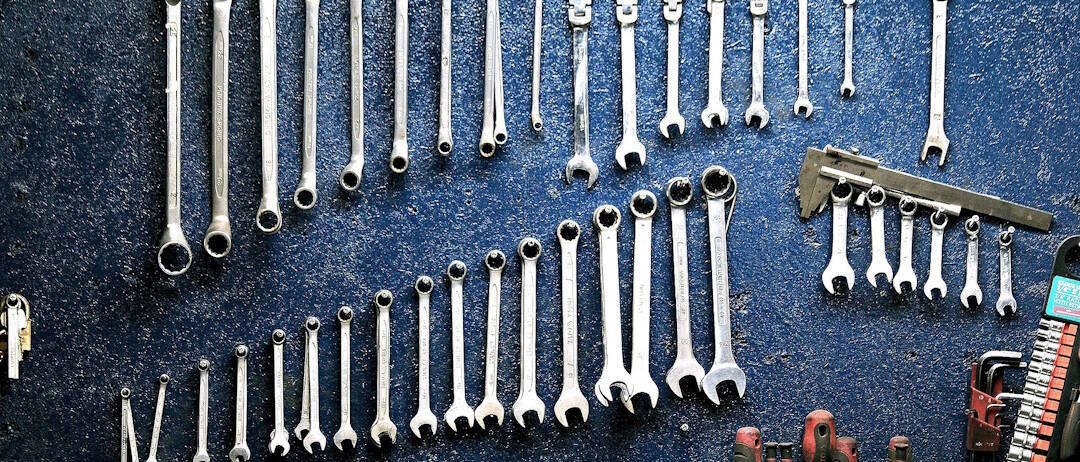
Tools for managing your fleet of vehicles and equipment
There are many hardware and equipment fleet management tools and software programs available on the market. These tools can help companies automate management tasks and improve their efficiency.
Asset and equipment management tools can help companies with:
- Un inventaire automatisé → Une meilleure visibilité sur le parc matériel
- Paramétrer des alerte et notifications → Une meilleure planification de la maintenance
- Une meilleure maintenance → Une amélioration de la sécurité et une réduction des coûts
Et tous ces avantages apportent un travail facilité, du temps gagné, une meilleure sécurité pour une meilleure sérénité.
However, hardware and equipment management tools are not perfect and have certain limitations:
- Ils peuvent être coûteux à mettre en place et à utiliser.
- Ils peuvent nécessiter une formation et un soutien importants.
- Ils peuvent ne pas être adaptés aux besoins spécifiques de chaque entreprise.
- Il existe des alternatives qui réduisent ces inconvénients comme l’utilisation de capteurs bluetooth qui ont de faibles coûts par rapport à des balises gps.
➤ And that's the technology we use at Charlie Solutions. Our goal is to make our solution easy to use and, above all, to save you time in your work. So we've developed numerous partner integrations to make your life easier, and we regularly take your needs into account to improve our products.
Pour passer d’une gestion dispersée à un pilotage plus fiable, Charlie Gestion agit comme un logiciel de gestion de parc matériel centralisé, pensé pour les équipes terrain.
Conclusion
Equipment fleet management is the cornerstone for businesses of all sizes that have a lot of equipment. It improves the availability, efficiency, and safety of your business.
To discuss the location or management of your equipment, make an appointment! We would be delighted to talk with you.