Introduction: What is dumpster tracking?
Imagine a world where every dumpster you use is easily locatable, where every movement is traceable, and where you have complete control over your waste management. Dumpster tracking makes this possible. But what exactly is dumpster tracking?
It is a management system that uses advanced technologies to track, manage, and optimize the use of waste bins. Whether you are a small business or a large organization, this guide will provide you with all the information you need to understand and implement an effective bin tracking system.
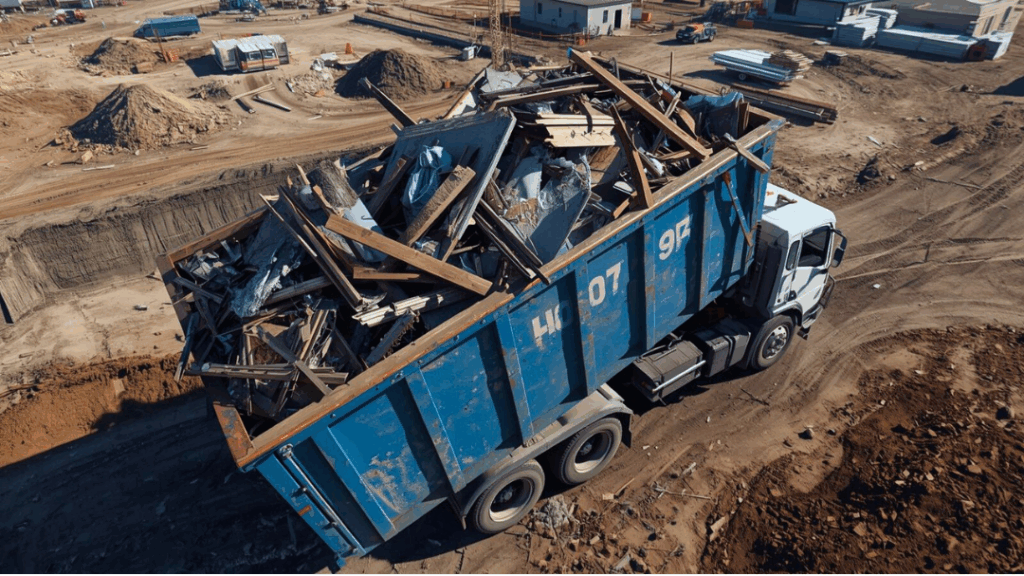
Why track your dumpsters?
Improving operational efficiency
Tracking dumpsters improves operational efficiency in several ways. By knowing the exact location of each dumpster, you can optimize collection routes, reduce transport times, and lower fuel costs. In addition, it allows for better planning of maintenance and cleaning, ensuring optimal availability of dumpsters.
Cost reduction
Inefficient dumpster management can lead to high costs in terms of transportation, fuel, and labor time. By tracking your dumpsters, you can identify inefficiencies and make improvements that will reduce these costs. For example, by avoiding unnecessary trips and ensuring that dumpsters are only collected when they are full, you can achieve substantial savings.
Security and compliance
Tracking dumpsters can also improve security by enabling real-time monitoring. In the event of theft or loss, the built-in GPS tracking allows for quick recovery.
In addition, accurate and complete documentation of dumpster movements can help ensure compliance with local waste management regulations, thereby avoiding fines and penalties.
How can you track your dumpsters?
Available technologies
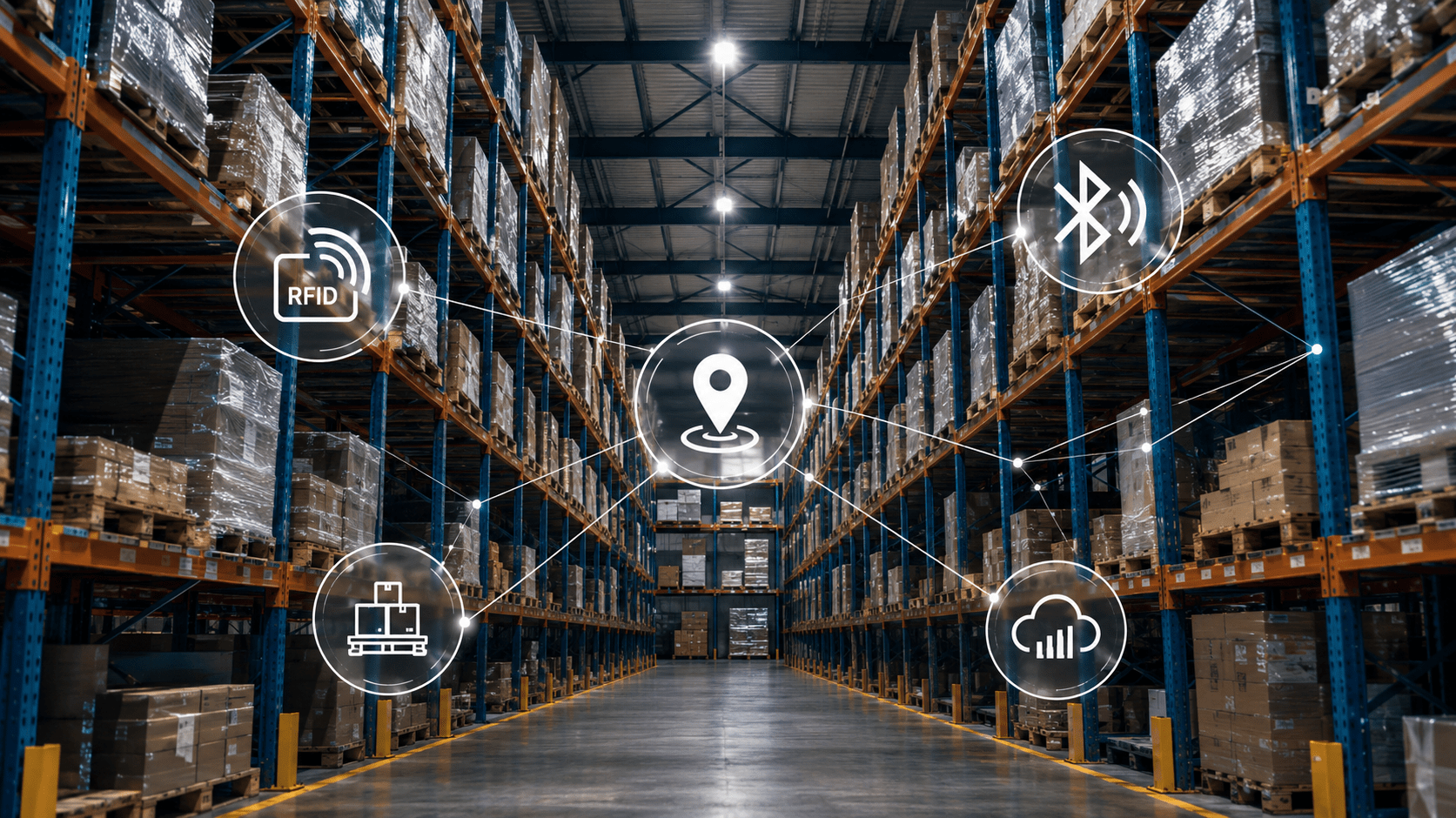
GPS (Global Positioning System)
GPS is the most commonly used technology for tracking dumpsters. It allows you to know the exact location of dumpsters in real time.
RFID (Radio Frequency Identification)
RFID tags can be attached to dumpsters to identify them using RFID scanners.
Level sensors
These sensors measure the fill level of dumpsters and send alerts when a dumpster is full and ready for collection.
Bluetooth
Bluetooth sensors can be attached to dumpsters for identification and information retrieval via an IoT system.
Management software
Specialized software is available to centralize all data collected by the various tracking technologies. This software offers user-friendly interfaces for viewing data, planning routes, and generating detailed reports.
Steps to implement a tracking system
- Needs assessment: Analyze your specific needs to determine which technologies and features are required.
- Equipment selection: select tracking equipment according to your needs.
- Installation: Install the tracking devices on your dump trucks and configure the management software.
- Training: Train your staff in the use of new tools and technologies.
- Monitoring and optimization: use the collected data to optimize the management of your dumpsters and make continuous improvements.
Example of tracking a fleet of dump trucks
Let's take the example of a waste management company that has a fleet of 500 dumpsters spread across a large geographical area. By implementing a GPS tracking system, the company can monitor the location and status of each dumpster in real time. Ramery Environnement explains it very well:
Steps Taken
- Installation of GPS devices: each dump truck is equipped with a GPS device.
- Tracking software configuration: management software is configured to centralize location data.
- Route optimization: collection routes are optimized based on location data and bin fill levels.
- Real-time monitoring: management staff monitor the dumpsters in real time, reducing response times in the event of a problem.
- Reports and analysis: Detailed reports are generated to analyze performance and identify areas for improvement.
Take truck tracking one step further with geolocation
Geolocation is an advanced technology that uses GPS data to provide accurate information on the location of objects. By applying this technology to skip tracking, companies can obtain an even more detailed and accurate overview of their waste management.
Benefits of geolocation
Increased accuracy: geolocation offers location accuracy down to a few meters, enabling more precise resource management.
Real-time alerts: Geolocation systems can send real-time alerts in the event of deviation from predetermined areas, enabling a rapid response.
Integration with other systems: Geolocation data can be integrated with other management systems to provide a holistic view of operational efficiency.
Frequently Asked Questions
What is skip tracking?
Tracking dumpsters involves monitoring and managing waste containers. GPS, Bluetooth, or RFID technologies are often used for this purpose.
Why is it important to track your dumpsters?
Tracking dump trucks improves operational efficiency, reduces costs, increases safety, and helps comply with regulations.
How to implement a dumpster tracking system?
This involves assessing needs, selecting appropriate technologies, installing monitoring devices, configuring management software, training staff, and continuously monitoring performance.
What are the advantages of geolocation in tracking dumpsters?
Geolocation offers increased accuracy, real-time alerts, and integration with other systems for more efficient management.
Conclusion
Skip tracking is a powerful technology solution that can transform the way you manage your waste. By improving efficiency, reducing costs, and increasing safety, it offers a multitude of benefits for businesses of all sizes.
Pour aller plus loin, découvrez comment Charlie Solutions aide les entreprises du recyclage à structurer le suivi des bennes et à optimiser leurs rotations.