Bluetooth Low Energy (BLE) tags are small, low-cost devices that use Bluetooth technology to transmit signals to smartphones and other nearby devices.
➤ In this article, we explore how BLE works, its range, advantages, and disadvantages, as well as the most common use cases.
Bluetooth LE: What is it for?
Autonomy
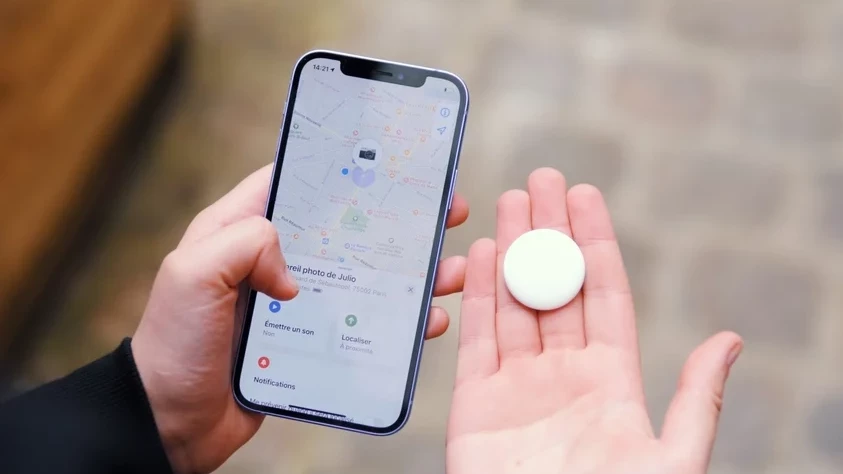
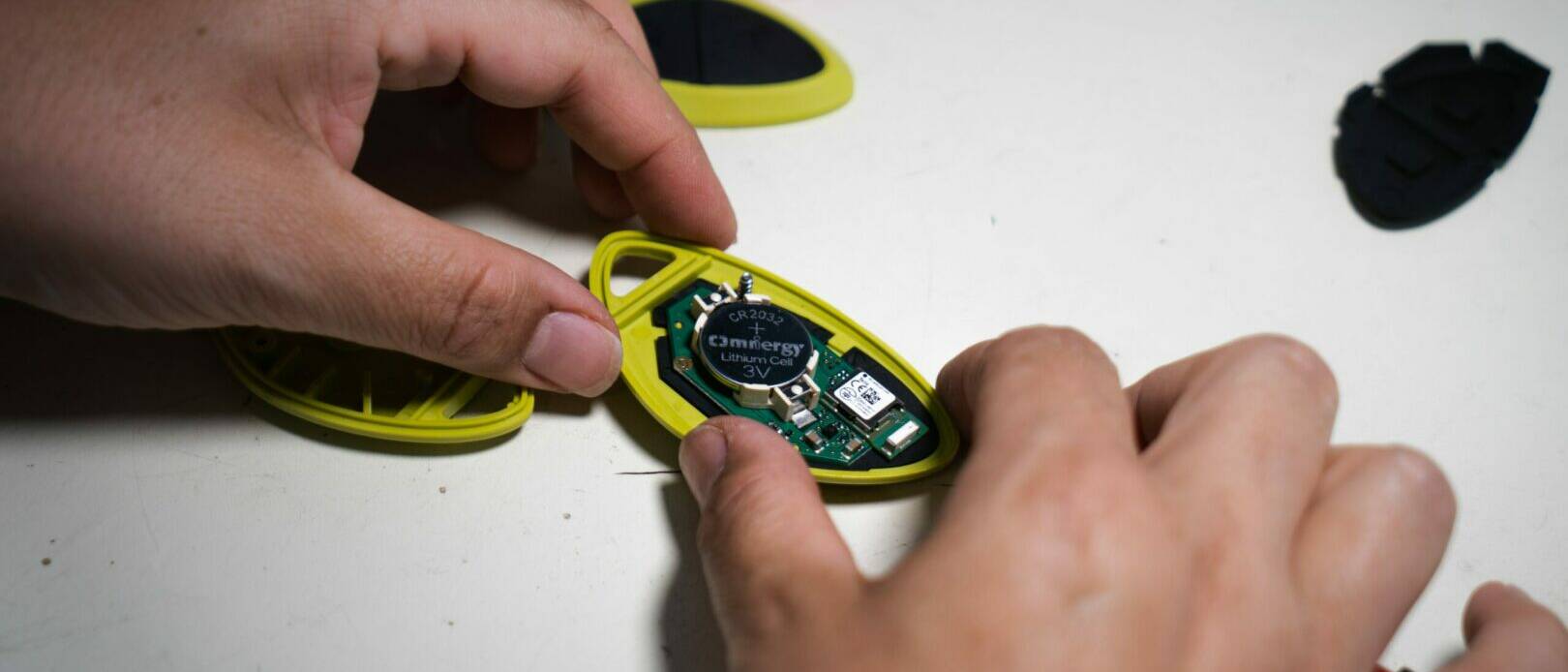
The main feature of BLE is its low power consumption, making it ideal for battery-powered devices such as sensors, wearables, medical devices, etc. It consumes significantly less power than previous versions of Bluetooth, enabling extended battery life.
It is designed for intermittent data transmission and small amounts of information. This makes it suitable for applications where devices need to communicate occasionally and efficiently, without having to maintain a continuous connection.
It also uses specific communication profiles called "Generic Attribute Profile (GATT)" to establish connections between devices. These profiles specify how data should be organized and transmitted between devices, offering a certain degree of flexibility for various applications.
A study conducted by Aislelabs, a company specializing in beacon software, indicates that devices such as proximity beacons typically operate for 1 to 2 years with a 1,000 mAh button battery. The lower your scanning frequency, the longer your beacon will last, extending its battery life beyond 5 years.
Compared to conventional Bluetooth, BLE consumes much less energy.
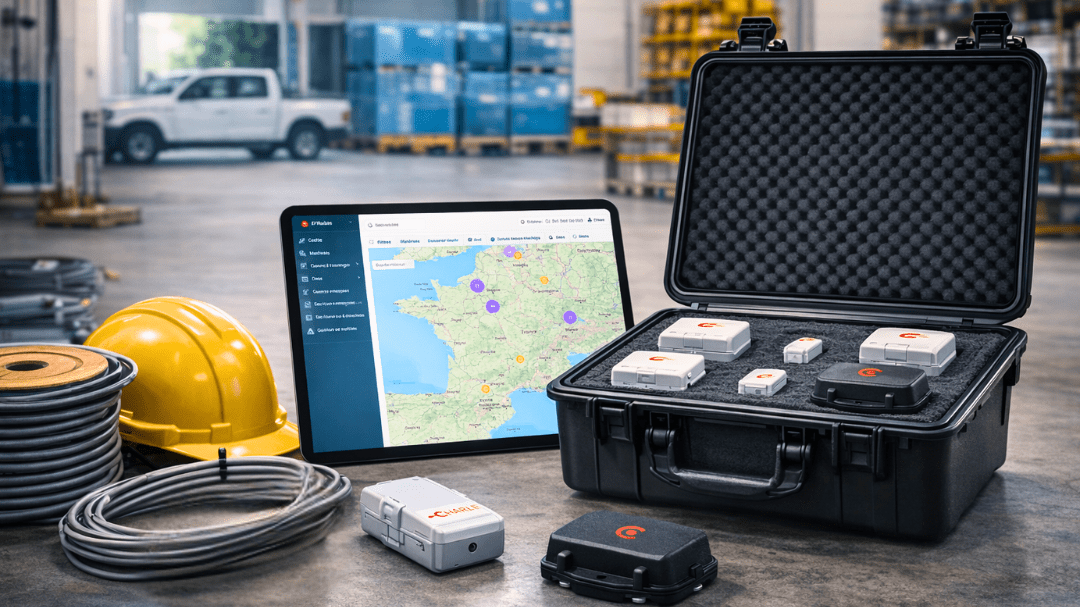
➤ The sensors we offer at Charlie Solutions have a minimum lifespan of 3 years, and can last up to 20 years depending on the specific configuration.
Scope
The range of beacons using Bluetooth Low Energy (BLE) can vary depending on various factors such as the power of the beacon, the physical environment and any obstacles present, as well as the sensitivity of the receiving device. In general, the typical range of a BLE beacon can reach up to 100 meters.
They can generally be configured to transmit at different power levels. Higher transmission power will extend the range, but it will also affect the battery life of the beacon.
Physical obstacles such as walls, furniture, or other electronic devices can reduce the signal range.
The effective range also depends on the receiver's ability to pick up and interpret the signal. Some devices may have more powerful antennas or receivers, thereby improving the effective range.
Compared to conventional Bluetooth, BLE has a greater range. The transmission range of conventional Bluetooth is actually quite short: between 10 and 15 meters maximum.
➤ The sensors we offer at Charlie Solutions have a range of between 50 and 100 meters, depending on their environment. Our receiver trackers are optimized to maximize this range. They also include the option to filter the detection range, for example to inventory only sensors located within 10 meters in order to cover a smaller area.
Uses
In recent years, we have seen an explosion in the number of BLE-based use cases. The rise of connected objects in our daily lives has led to the creation of new use cases in many areas, such as:
- Home automation: To connect and control various smart home devices such as light bulbs, thermostats, door locks, security cameras, and smart speakers.
Healthcare: Medical devices and health apps use BLE to monitor vital signs, share data with healthcare professionals, and enable remote patient monitoring.
Automotive: Automotive applications use BLE for features such as keyless entry, remote start, and sharing information between smartphones and in-vehicle systems.
Marketing: BLE beacons can be placed in stores to send push notifications or special offers to nearby customers. This creates a personalized experience, boosts sales by encouraging customers to discover promotions, and tracks customer behavior.
Games: Certain games and entertainment applications are equipped with sound to connect peripherals, share data between devices, and offer interactive experiences.
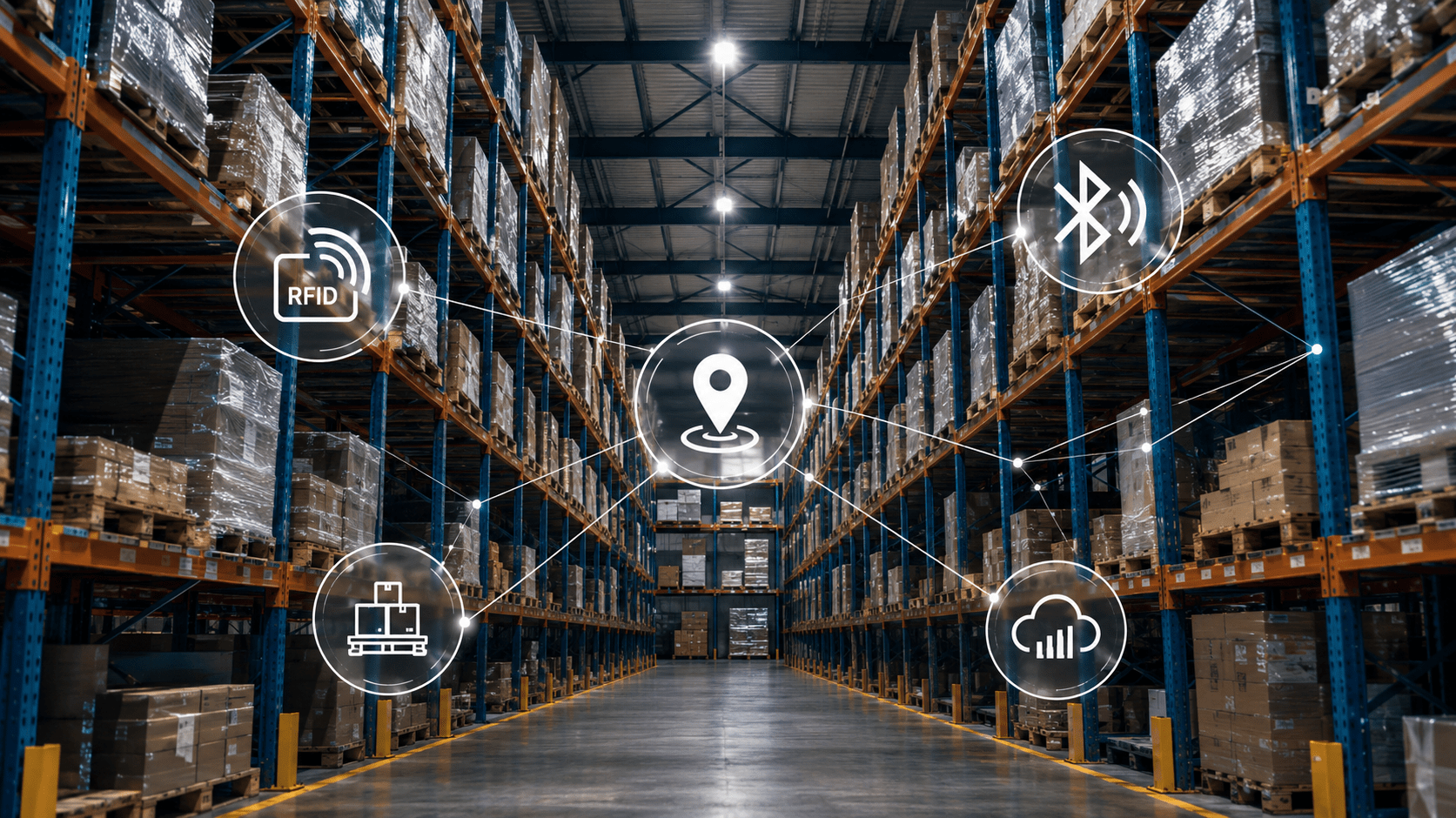
➤ L’asset tracking a fait son apparition il y a quelques années, il utilise cette technologie pour suivre et localiser des actifs tels que des palettes, des conteneurs, des équipements, etc., à l’intérieur d’entrepôts, sur des sites industriels ou encore sur des opérations en extérieure.
Charlie Solutions en a fait son créneau, en s’adressant à toute entreprise ayant un parc matériel avec des opérations itinérantes, qui ont des problématiques de suivi et gestion. Les capteurs BLE Charlie pour le suivi du matériel permettent de localiser les équipements automatiquement, sans action manuelle lourde pour les équipes terrain.