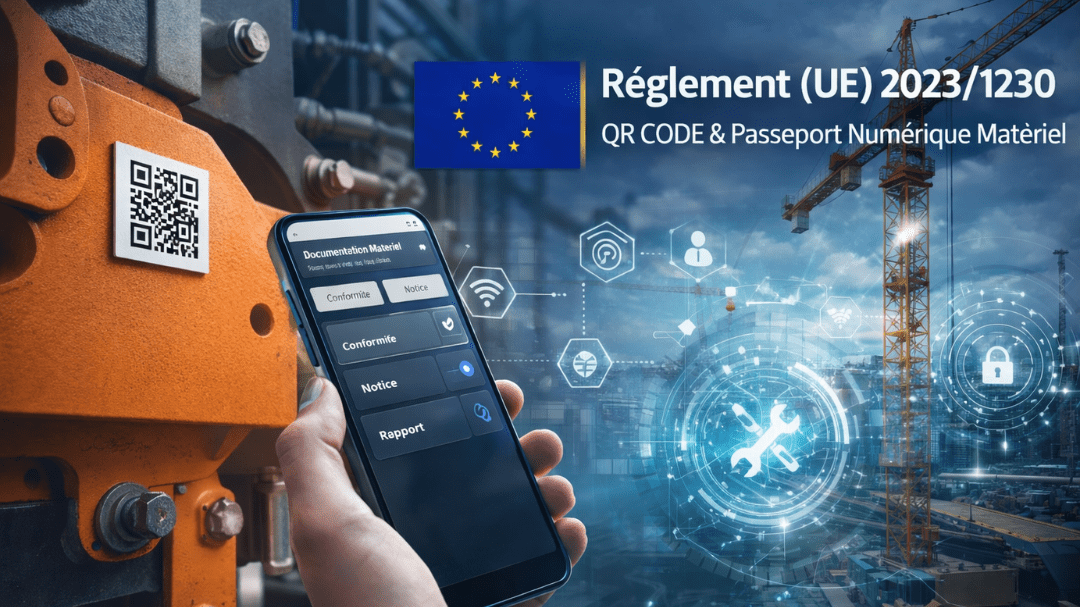
The origins and technology behind QR Codes
Origin of QR Codes
The history of QR Codes, or "Quick Response Codes," began in Japan in the 1990s. Developed by Denso Wave, a subsidiary of Toyota, these codes were initially intended to track parts in automotive factories. The need was clear: a fast and reliable method of accessing detailed information about parts during the manufacturing process. Unlike traditional barcodes, which were limited in terms of information storage capacity and reading speed, QR Codes were designed to store a large amount of information and be read quickly, hence their name.
Technological Foundations
QR Codes are two-dimensional barcodes that can store digital data encoded in black and white square patterns. Unlike one-dimensional barcodes, which can only store up to 20 to 25 characters, a standard QR Code can contain several thousand characters, allowing it to store not only numbers but also text, URLs, and much more.
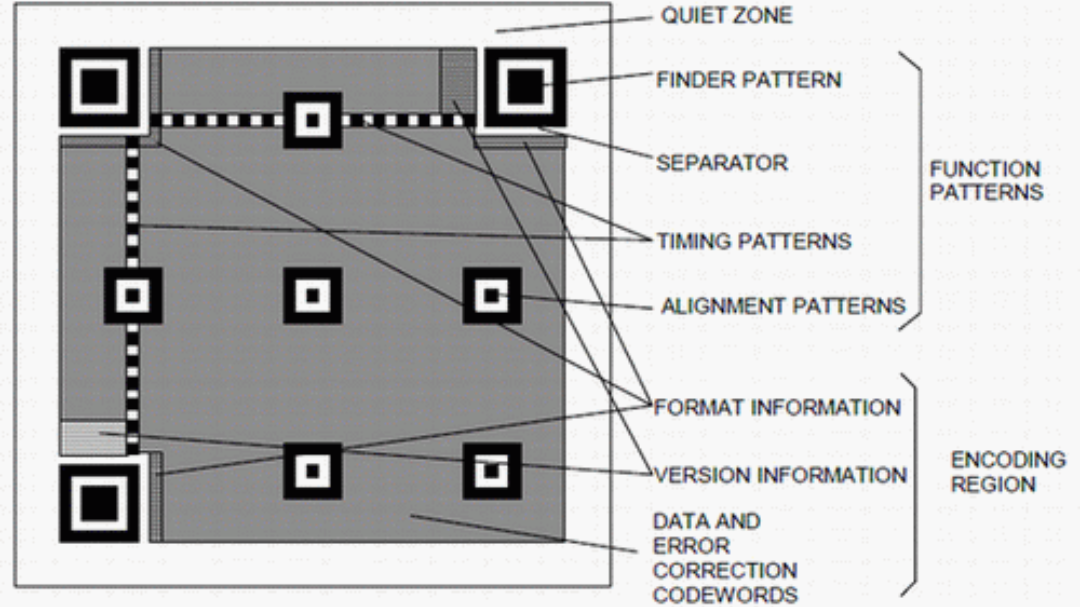
The structure of a QR Code is divided into several key components:
Position markers: Located in three of the corners of the square, these distinctive patterns allow the QR Code reader to determine the orientation of the code.
Separation patterns: These white lines separate the position markers from the rest of the QR Code, making it easier to read.
Data and error correction keys: The core of the QR Code contains the encoded data as well as information for correcting errors, allowing the code to be read even if it is partially damaged or obscured.
Format area: Provides information about the level of error correction used and the data encoding scheme.
Information Encoding
Encoding in a QR Code is done through a complex process where data is converted into binary patterns. This process uses different encoding modes (numeric, alphanumeric, byte/binary, and kanji) to optimize space and store as much information as possible. Built-in error correction technology allows the QR Code to remain readable even if up to 30% of its surface is damaged.
Unique Advantages
QR Codes offer several distinct advantages over traditional barcodes:
High storage capacity: They can hold a large amount of information in a small space.
Fast readability: They are designed for fast reading, which speeds up processing and access to information.
Versatility: They can be used in a multitude of applications, ranging from marketing to logistics tracking.
Robustness: Error correction allows codes to be read even when they are partially damaged.
The creation of QR Codes marked a significant advance in barcode technology, establishing them as a powerful tool in the digital age.
How does the QR Code work?
The magic of QR Codes lies in their ability to store and transmit information quickly and compactly. But how can this little square contain so much data, and how is that data extracted? Let's dive into how QR Codes work to find out.
Reading and Interpretation
The first step in how a QR Code works is scanning it, usually with a smartphone or a dedicated reader. The device uses its camera to capture the image of the QR Code, then software interprets the black and white patterns to extract the information it contains. Here is the process in detail:
Orientation: The reader identifies the three square position markers located at the corners to determine the orientation and size of the QR Code.
Decoding: The software then scans the code to convert the patterns into binary data (0s and 1s). This conversion is based on the contrast between the black areas (representing 1s) and white areas (representing 0s).
Error correction: Thanks to the built-in error correction mechanism, the reader can adjust missing or corrupted data, ensuring that the information remains accessible even if the QR Code is partially damaged.
Data Encoding
Once captured, the binary data is transformed into a usable form. Depending on the type of information stored (text, URL, etc.), the QR Code uses different encoding modes to optimize space and facilitate conversion. The QR Code reader recognizes these modes and translates the binary data into human-readable information or executable actions, such as opening a web page.
Types of Stored Data
A QR Code can encode various types of data, including:
URLs: Direct links to websites, making it easy to access them without having to type in the address.
Text: Simple text information, such as names, addresses, or descriptions.
Contact information: vCard information for easy import into smartphone contacts.
Wi-Fi: Settings that allow a device to automatically connect to a Wi-Fi network without having to manually enter the information.
Flexibility and Security
QR Codes are not only flexible in terms of the types of data they can store, but they also offer security options, such as data encryption. This makes them useful in sensitive applications, including financial transactions and personal information management.
QR Codes work thanks to a combination of intelligent design, sophisticated encoding, and advanced reading technologies. This synergy allows QR Codes to transmit a wide range of information quickly, reliably, and securely, making this technology invaluable in our ever-changing digital world.
Practical applications of the QR Code
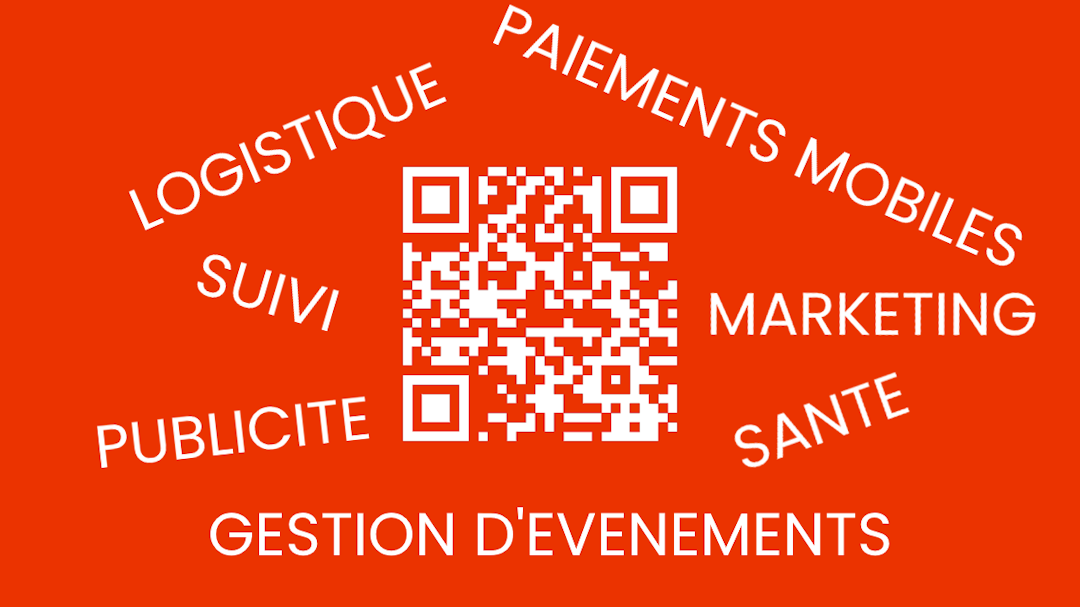
QR Codes have transcended their initial use in the manufacturing industry to become a versatile tool in many sectors. Their ability to store a large amount of information in a small space and be quickly read by smartphones has paved the way for innovative and practical applications.
Logistics and Tracking
QR Codes optimize logistics management by providing real-time tracking of goods:
Parcel tracking: Logistics companies use QR Codes to track the route of parcels and provide updates to customers.
Inventory management: Warehouses apply QR Codes to items to facilitate inventory and location of materials.
Marketing and Advertising
In the field of marketing, QR Codes offer a direct way to engage consumers. They are often used in:
Print advertising: Magazines and posters incorporate QR Codes to direct readers to websites, videos, or special promotions.
Product packaging: QR Codes on packaging can provide additional product information, instructions for use, or recipes.
Events and exhibitions: Badges or exhibition materials with QR Codes facilitate information sharing and lead generation.
Mobile Payments
QR Codes have revolutionized financial transactions by enabling simple and secure mobile payments. Apps such as Apple Pay, Google Wallet, and various banks offer QR Code payments for:
Paying in stores: Customers scan the QR Code displayed at the checkout to make an instant payment.
Money transfers between individuals: Share a personal QR Code to receive payments or send money.
Event Management
Event organizers use QR Codes to simplify access and improve the participant experience:
Electronic tickets: QR Codes serve as admission tickets, facilitating access control and reducing the need for paper tickets.
Networking: Participants can share their contact information via QR Code to facilitate professional exchanges.
Healthcare Sector
QR Codes also help improve efficiency and safety in healthcare:
Medical records: Patients can access their medical history by scanning a QR Code.
Medication verification: Pharmacies use QR Codes to verify the authenticity of medications and access detailed information.
Education and Training
Educational institutions are integrating QR Codes to enrich learning:
Teaching materials: Textbooks and course materials can include QR Codes that link to additional online resources.
Guided tours: Museums and historical sites offer QR Codes next to exhibits to provide detailed information or audio guides.
Practical applications of the QR Code
As QR Codes continue to grow in popularity, the ability to create and customize these powerful digital tools has become more accessible than ever. Whether you're a professional looking to enhance your marketing, an event organizer wanting to simplify access, or simply someone looking for an innovative way to share information, here's how you can create your own personalized QR Code.
QR Code Creation Tools
Many online services offer the ability to create QR Codes for free or via subscriptions for advanced features. These platforms are user-friendly and often require no special technical skills. Popular options include:
QR Code Generator: Offers easy creation of QR Codes for various uses, with customization options.
QRStuff: Allows you to create colorful QR Codes and choose the type of content to encode, such as URLs, text, or contact information.
Canva: Although primarily a design tool, Canva also offers the ability to create custom QR Codes as part of larger designs.
Customizing your QR Code
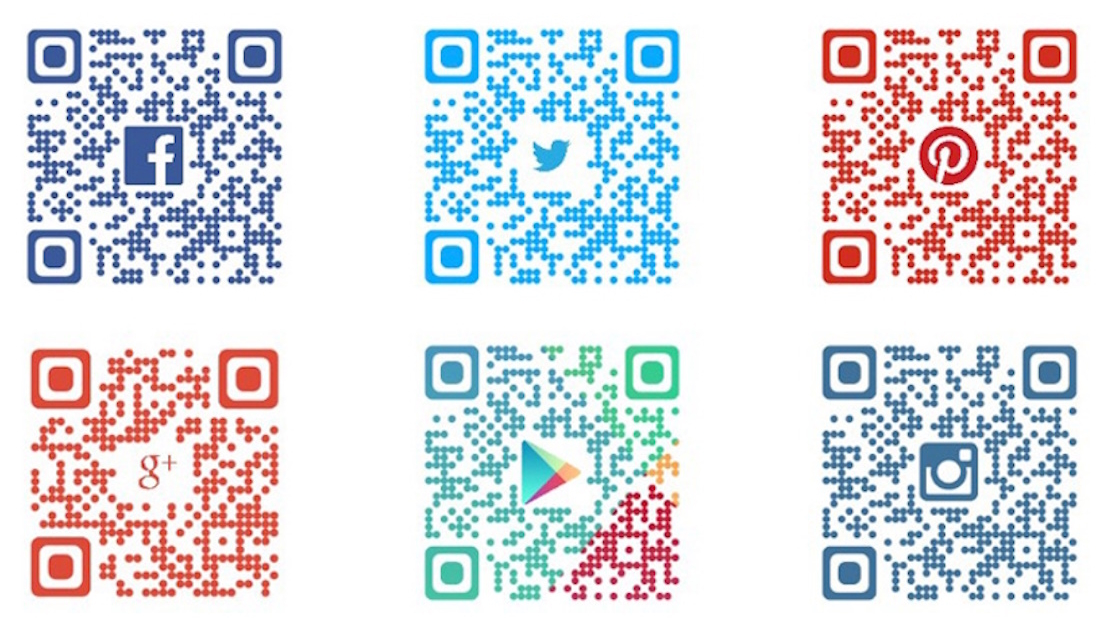
Customizing your QR Code isn't limited to choosing the type of data it contains. You can also modify the visual appearance of your QR Code to make it stand out or align with your brand identity. Here are a few elements you can customize:
: Change the color of the blocks and background to match your color palette.
Logo: Integrate your company logo into the center of the QR Code to enhance brand recognition. Block shape: Some generators allow you to change the traditional square shape for more original designs.
Best Practices for Creation
To ensure your QR Code is effective, keep a few best practices in mind:
: Make sure there is sufficient contrast between the blocks and the background for easy reading.
Test before sharing: Scan your QR Code with different devices and apps to verify that it works as intended. Provide a clear incentive: Indicate next to the QR Code why people should scan it (e.g., "Scan to access exclusive content").

The Future of the QR Code
As we move into an increasingly digitized era, the future of QR codes looks promising and full of potential. Initially designed for tracking parts in the automotive industry, these codes have transcended their origins to become a universal tool in digital connectivity.
Increased integration with augmented reality (AR)
One of the most exciting developments for QR Codes is their integration with augmented reality technologies. Users could scan a QR Code to overlay virtual images onto the real world, providing an immersive experience in education, marketing, and beyond. For example, a museum could use QR Codes next to artworks to display additional information or historical reenactments in AR.
Improved security and privacy
With the growing adoption of QR Codes in financial transactions and sensitive information exchanges, security will become a priority. Advanced encryption technologies could be applied to QR Codes to ensure that data is accessible only to authorized parties, reducing the risk of fraud and identity theft.
Applications in smart city and home management
QR Codes could play a key role in the development of smart cities and home automation, facilitating interaction between citizens, infrastructure, and connected devices. For example, QR Codes could be used to quickly access information on public transportation schedules, pay for utilities, or control smart home devices.
Evolution of storage formats and capacities
Although current QR Codes already offer impressive storage capacity, future innovations could make it possible to store even more information in codes of comparable or even smaller sizes. This could pave the way for new and improved applications, particularly in the storage and sharing of complex or large data sets.
Growing adoption across industries
As businesses continue to recognize the value of QR Codes for engaging customers, optimizing operations, and improving services, their adoption is expected to expand into new industries. This includes not only retail, hospitality, and healthcare, but also construction and agricultural and forestry management, where they can bring increased efficiency and better traceability.
The future of QR Codes is rich with possibilities. As technology continues to evolve, we can expect to see QR Codes become even more integrated into our daily lives, transforming the way we access and share information in an increasingly connected world.
Avec Charlie Solutions, le suivi du matériel par QR code permet d’accéder rapidement aux informations, aux documents et au statut de chaque équipement depuis le terrain.
If you want to locate your equipment, improve your equipment maintenance tracking, automate inventories, centralize your regulatory documents, and make them easily available from your job sites, we can discuss your needs together.