In the construction and industrial sectors, safety on worksites is an absolute priority. With this in mind, legislation requires employers to provide user manuals for all portable equipment made available to workers in the field. This is because every tool, no matter how small, must be used correctly to prevent accidents and ensure that operations run smoothly.
But this legal obligation raises other questions:
To what extent must these notices be accessible on the construction site?
What are the risks in the event of non-compliance?
And above all, how does this requirement contribute to the safety and efficiency of the work?
In this article, we explore the legal basis for this obligation, its importance for worker safety, and best practices for ensuring accessibility and updating in the field.
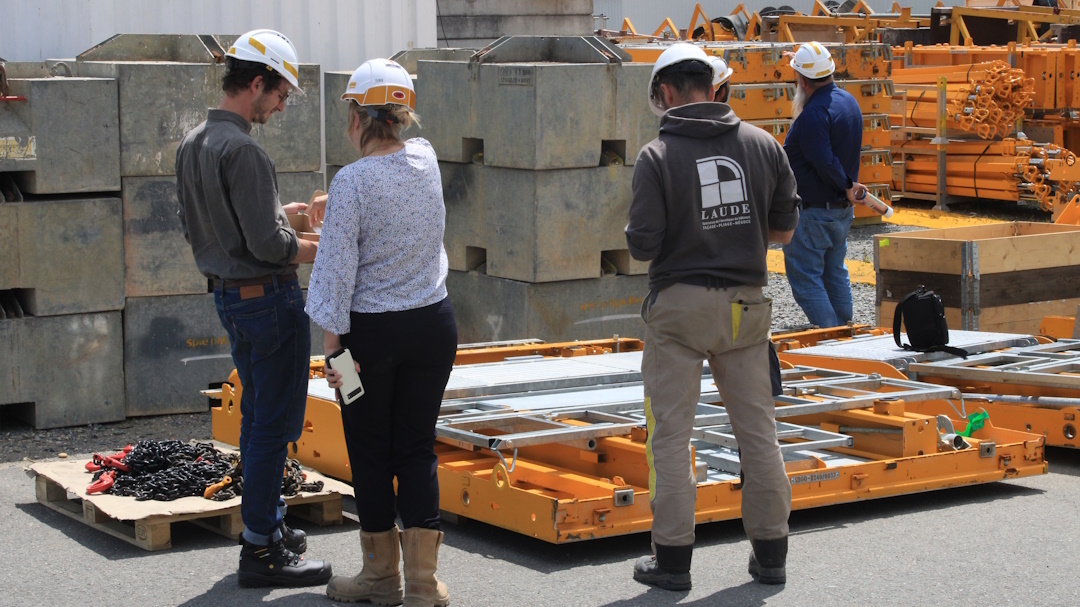
Legal framework governing the requirement for instructions for use
The provision of user manuals on construction sites stems mainly from the Labor Code, which requires employers to ensure the safety and health of workers by providing them with all the information necessary for the proper use of equipment.
National regulations
In France, Article R.4323-1 of the Labor Code stipulates that "work equipment must be used in accordance with the manufacturer's instructions." This means that employers are required to provide users with the manufacturer's instructions for use so that the equipment can be used safely and correctly. This provision is reinforced by other legislation which specifies that employers must take all measures to prevent occupational risks, including providing adequate information on the use of equipment.
Employers' obligations
If you are an employer, you are required to ensure that these documents are understandable and accessible in the workplace. In other words, you must distribute the notices and ensure that your employees can easily consult them when necessary. This responsibility also includes training workers so that they know how to use the equipment correctly and understand the importance of following safety instructions.
Penalties for non-compliance
Failure to comply with these obligations can have serious consequences for employers. In the event of an accident related to improper use of equipment, you could be held liable if the user manual was not available or accessible.
Penalties can range from administrative fines to criminal prosecution in the event of serious breaches resulting in accidents. In addition, regular inspections by the competent authorities may result in penalties for companies that fail to comply with these obligations, including the suspension of activities on the construction site.
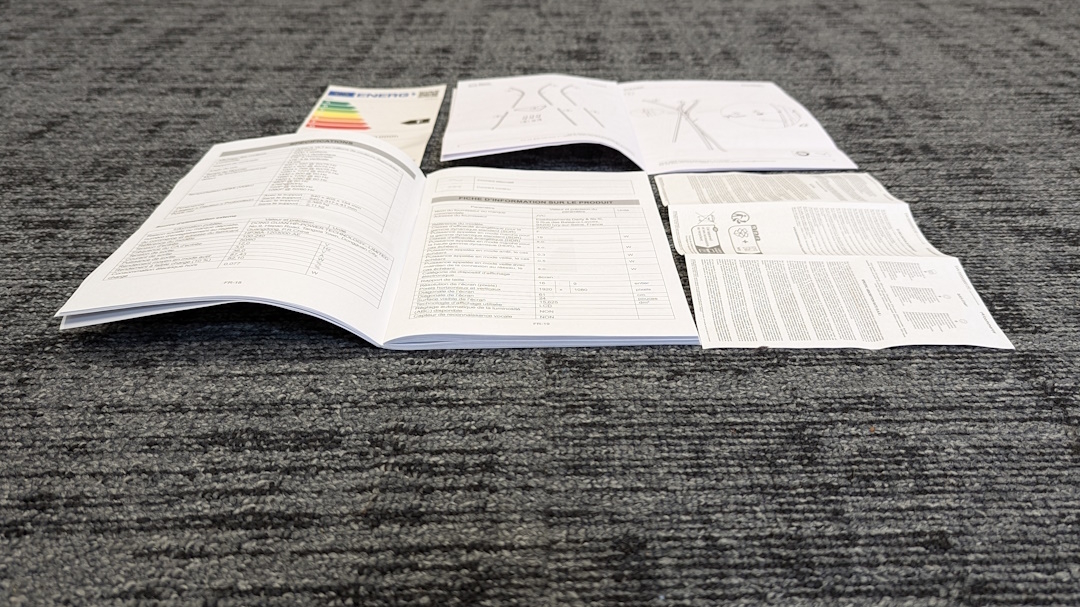
Importance of user manuals in the field
User manuals are not mere administrative documents. They play an essential role in accident prevention and ensuring compliance on construction sites. Their presence and accessibility in the field are necessary for worker safety, efficiency, compliance, and accountability.
Safety and effectiveness
User manuals provide detailed instructions on how to use each tool or piece of equipment safely. They describe the correct procedures, precautions to take, and potential hazards associated with misuse. Every worker should be able to consult these manuals to confirm best practices before handling any equipment. Employees can quickly ensure that they are using the right tool in the right way
By ensuring that this information is easily accessible on the job site, you can help improve the efficiency of your teams, reduce the risk of accidents, and improve on-time delivery.
Compliance and accountability
When it comes to workplace safety, compliance with regulations also protects employers from potential liability in the event of an incident. If an accident occurs and it is proven that the equipment was not used in accordance with the manufacturer's instructions, the employer may be held liable if the user manuals were not available or accessible. Therefore, keeping manuals accessible on site is also a legal preventive measure.
Cette logique de traçabilité et de prévention s’inscrit aussi dans des démarches plus globales de management de la sécurité, comme la certification MASE, qui aide les entreprises à structurer leurs pratiques SSE et à mieux documenter leurs actions terrain.
The challenges of a user manual in the field
Providing user manuals in the field is essential. However, it is not without its challenges. Employers must take several factors into account to maintain the effectiveness of best practices.
Document accessibility
One of the main challenges in making notices accessible concerns construction sites in remote areas that are difficult to access or have no internet connection. At these sites, accessing printed or digital documents becomes difficult. In addition, dust and bad weather must be taken into account for the preservation of notices and complicate their regular consultation.
Update of notices
Equipment evolves, as do the ways in which it is used. Outdated versions may no longer reflect current safety guidelines. The challenge is therefore to ensure that manuals are regularly updated and that these new versions are quickly distributed and accessible in the field.
Training and awareness
It is important to regularly remind workers of the importance of consulting these documents before using new equipment or when they have doubts about its use. This aspect is often overlooked but is essential in reducing risks.
Multilingual management
In rarer cases, teams are sometimes made up of workers of different nationalities who speak different languages. It is extremely important that instructions are written in the different languages.

Solutions for making user manuals available
There are several practical and technological solutions available to overcome all these issues. These solutions ensure compliance with legal requirements and improve staff safety and operational efficiency.
Digitization of CMMS manuals and software
One of the most effective solutions is to digitize user manuals. Using apps or cloud storage, manuals can be accessed and downloaded directly from team members' phones and tablets for offline viewing.
There are software solutions and applications available for managing equipment and documentation. These applications can be used to inform users of recent updates and verify that they are being consulted by site personnel.
This solves the problems of bad weather, updating manuals, and searching for manuals.
Continuing education and awareness
Regular training sessions, accompanied by clear educational materials, can reinforce the importance of documentation and improve its use in the field. These awareness campaigns can include frequent reminders on the job site, via posters or notifications on mobile devices, to encourage workers to consult the instructions before using equipment.
Multilingualism and accessibility
Generally, manufacturers provide manuals in many different languages. If a language is missing, the digital format makes it easy to use translation tools, ensuring that all workers have the information they need to use the equipment safely.

Conclusion
In summary, providing equipment operating instructions on construction sites is a legal obligation and essential for ensuring worker safety. By complying with this requirement, employers contribute to accident prevention and protect themselves from legal risks while optimizing productivity in the field.
As a reminder, the issues related to the provision of instructions are:
– Document accessibility
– Document updates
– Team training
– Language management
The best ways to overcome these challenges are:
– Using CMMS software
– Digitizing manuals
– Ensuring that manuals are directly accessible from the device
Ideally, there should be a system for identifying equipment in the field, such as a QR code or a chip that can be scanned. This system would provide direct access to all regulatory documentation for the equipment in question, including instructions, maintenance and calibration documents, and equipment status.
These solutions are included in our geolocation and equipment management solution. For more information or to contact us, click on the button of your choice.